
Homestead on the hill
Simple & delicious gluten-free food.
This post contains affiliate links. If you purchase through these links, I may earn a small commission at no extra cost to you.
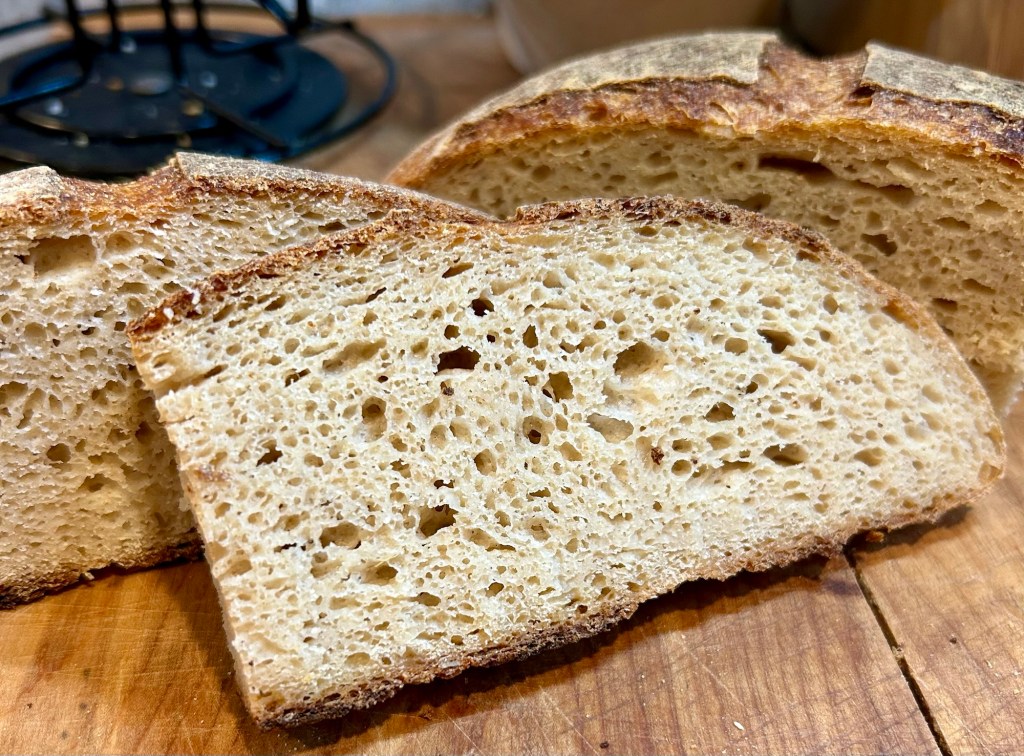
One of the most powerful (and often overlooked) tools in fermentation is temperature.
Whether you’re working with gluten-free sourdough, yeasted doughs, or enriched treats like cinnamon rolls, temperature gives you control. You can speed fermentation up, slow it way down, or even pause it completely depending on what your schedule needs.
This flexibility is especially helpful for home bakers—because dough should work for your life, not the other way around.
Why Temperature Matters in Fermentation
Fermentation happens because yeast and beneficial bacteria are alive. Their activity level depends heavily on temperature:
- Warm temperatures = faster fermentation
- Cool temperatures = slower fermentation
- Freezing temperatures = fermentation stops
Understanding this lets you intentionally adjust rise times without changing your recipe.
How to Speed Up Fermentation (Warm Environment)
If your kitchen is cold or you need dough ready sooner, gentle warmth can dramatically shorten fermentation time.
1. Oven Proof Setting
Many ovens have a proof setting that holds the temperature around 80–100°F.
Ideal for gluten-free doughs that benefit from consistent warmth Speeds fermentation without overheating – Especially helpful in winter months.
Tip: If your oven runs hot, crack the door slightly or monitor with an oven thermometer.
2. Steaming Cup of Water (Microwave or Oven)
If you don’t have a proof setting, this method works beautifully.
Heat a mug of water until steaming Place it in a closed microwave or turned-off oven. Set your covered dough beside it.
This creates a warm, humid microclimate that encourages yeast activity and prevents the dough from drying out.
When to Use Warm Fermentation
- Same-day baking
- Cold kitchens
- Doughs that feel sluggish or dense
- Gluten-free sourdoughs that need extra encouragement
How to Slow Down Fermentation (Cool Environment)
Sometimes the goal isn’t speed—it’s control.
Placing dough in the refrigerator (typically 35–40°F) slows yeast activity dramatically.
Benefits of Cold Fermentation
- Extends fermentation over many hours
- Improves flavor development
- Gives flexibility with timing
- Prevents over-proofing if life gets busy
This works well for:
- Overnight rises
- Doughs you want to bake the next day
- Managing sourness in sourdough
Note: Fermentation doesn’t stop in the fridge—it just moves very slowly.
How to Completely Stop Fermentation (Freezer Method)
Freezing dough halts fermentation entirely.
This is one of my favorite techniques—especially for cinnamon rolls.
How I Freeze Dough (Cinnamon Rolls)
- Prepare the dough as usual
- Shape the rolls
- Freeze before the final rise
When you’re ready to bake:
- Remove from freezer
- Thaw in the fridge or at room temperature
- Allow to rise fully
- Pour cream over rolls (for cinnamon rolls)
- Bake as normal
The yeast wakes back up once thawed, and fermentation continues right where it left off.
Best Uses for Freezing Dough
- Cinnamon rolls
- Dinner rolls
- Buns
- Make-ahead holiday baking
Freezing gives you true pause control, making fresh-baked goods possible without starting from scratch.
Choosing the Right Method for Your Schedule
| Goal | Best Temperature Method |
| Faster Rise | Proof setting or warm steam |
| More Flavor & Flexibility | Refrigerator |
| Long-term Pause | Freezer |
Final Thoughts
Fermentation isn’t rigid—it’s responsive. By learning how temperature affects yeast activity, you gain freedom as a baker. Whether you’re speeding things up on a busy day, slowing things down overnight, or freezing dough for later (like I do with cinnamon rolls), temperature control lets you bake on your terms.
Once you start using these methods intentionally, fermentation becomes less stressful—and a whole lot more empowering.
Want more ad-free and printable sourdough tips and gluten-free recipes? Join my email list here and they’ll be sent straight to you.
If you need in-depth step-by-step instructions to start baking incredible gluten-free sourdough bread be sure to grab my Gluten-free Sourdough Beginner’s Guide. Delicious bread is right ahead!
3 responses to “How to Adjust Fermentation Time Using Temperature”
[…] Now the next step is to learn how to manipulate your fermentation time to work for YOU! Whether you need to speed it up or slow it down, you have control. Learn next about how to manage your fermentation time with temperature. […]
[…] Serving Size:6-7Time:Varies based on Fermentation method Difficulty:Easy […]
[…] doubled. It should increase 70-90% in size. For tips on how to adjust your fermentation time, see this post. If your loaf doesn’t rise as you expect, download this free guide. It walks through the most […]